

The Intimate Wellness Audit: 5 Ways Your Lingerie Impacts Your Physical and Mental Health
Hello, you. If you’ve ever finished a long day feeling a bit sore, itchy, or just not quite right down below, you’re not alone. So many of us reach for pretty lingerie without giving a second thought to what it’s actually made of. Let’s change that today. Your skin deserves the same care as the rest of you—starting with the very first layer you put on.
Breathe Easy: Why Your Fabric Choice is a Skin Health Game-Changer
The fabric sitting against your most sensitive areas matters more than you might think. It’s not just about softness. It’s about breathability, moisture control, and how your skin reacts hour after hour.
Synthetic materials like polyester, nylon, and many stretch laces trap heat and moisture. They don’t let air circulate. Your vulvar skin is delicate, with a finely balanced microbiome. When warmth and dampness get locked in, that environment can quickly become a breeding ground for irritation. Chafing, redness, bacterial overgrowth, and yeast infections often follow. You might notice that familiar itch or a persistent discomfort that just won’t shift.
Natural fibres behave differently. Organic cotton is a champion here. It’s breathable, absorbent, and incredibly gentle. Moisture wicks away rather than sitting on your skin. Bamboo offers a silky-soft feel with natural temperature regulation and antibacterial properties. Silk, while less absorbent, allows excellent airflow and feels beautifully cool against the body. These fabrics let your skin breathe. They reduce friction. They give your body the dry, calm conditions it needs to stay healthy.
A simple swap can make a world of difference. If you’re prone to irritation, try wearing organic cotton knickers for a week and notice how your skin responds. Look for gussets lined in cotton even if the outer fabric is something dressier. Check labels. Prioritise breathability over synthetic shine. Your everyday comfort will thank you.
One customer told us she’d battled recurrent thrush for months before switching to bamboo briefs. Within two weeks, the difference was clear. Not a cure—we’d never claim that—but the right fabric removed a constant source of aggravation. If you’re dealing with persistent symptoms, do see your NHS GP. But giving your skin a breathable, natural foundation is a gentle step you can take right now.
Think of your knickers as a second skin. Would you wrap yourself in cling film or in a soft cotton sheet? The answer is obvious. Choose fabrics that work with your body, not against it.
Stop the Ache: Why a Proper Bra Fit is a Posture and Pain Game-Changer
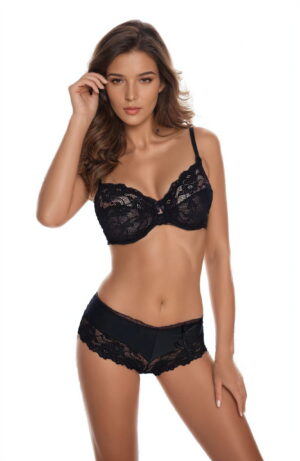
Roza Sisi Black Bra
Meet the Sisi bra from Roza – a deliciously feminine piece that puts your curves centre stage. Crafted from a soft, breathable ...
You shrug your shoulders, roll your neck, and try to stretch out the dull throb that settles in by mid-afternoon. Many of us blame the desk, the stress, or the way we slept. But your bra might be the quiet culprit. A band that’s too tight. Straps that dig. An underwire that pokes at your ribcage. These aren’t just annoying design flaws—they actively reshape how you hold your body, hour after hour.

When a bra doesn’t fit, your muscles compensate. A loose band rides up, so you hunch forward to stop it. Overly tight straps carve into your shoulders, prompting you to lift them protectively, tensing your neck and upper back. The result is a cascade of strain: chronic tension headaches, aching between the shoulder blades, and a posture that curves inward rather than standing open and relaxed.
Consider the mechanics. A supportive bra should anchor around the ribcage, with the band taking roughly 80% of the weight. If the band is too loose, the straps carry the load. That constant downward pull on your shoulders can compress nerves and blood vessels at the top of the ribcage, leading to tingling in the arms or fingers. A band that’s too tight, on the other hand, restricts the very movement of your ribcage. You start taking shallower breaths, relying on your neck muscles to lift the chest instead of allowing the diaphragm to expand fully. That shallow breathing can feed anxiety, fatigue, and even light-headedness.
Underwires that sit on breast tissue rather than flat against the chest wall create their own brand of misery. They dig in, leaving red marks and sore spots that can make you dread putting on your bra. Over time, that pressure can cause inflammation in the delicate cartilage of the ribs. You might notice a persistent ache right where the wire ends, especially after a long day.
So, how do you break the ache cycle? Start with a simple at-home check. Put on your bra and look sideways in a mirror. The band should sit level all the way around, parallel to the floor. If it rides up at the back, it’s too loose. If it leaves deep, angry grooves, it’s too tight. Next, slip two fingers under the band at the back. You should feel a firm hug, not a vise grip. The straps should stay put without digging in—if you can pull them up more than an inch, they’re not doing their job because the band isn’t holding its own.
For underwire, trace the arc with your fingers. The wire should encircle the breast, resting on your ribs, not on soft tissue. If it pokes at your armpit or sits on top of your breast, the cup is likely too small or the wrong shape for you. A well-fitted cup contains all your breast tissue without spillage or gaping, and the centre front—the little bridge between the cups—should lie flat against your sternum.
When you find a bra that truly fits, the relief is immediate. Your shoulders drop. Your spine lengthens without effort. That nagging headache vanishes. You breathe deeper, move more freely, and forget you’re wearing anything at all. It’s not about looking a certain way. It’s about giving your body the structural support it deserves so you can get on with your day, pain-free.
Your Secret Superpower: How Lingerie Becomes a Daily Act of Self-Love
What you wear next to your skin shapes how you move through the day. Psychologists call this “enclothed cognition”—the simple truth that the symbolic meaning of our clothes influences our thoughts, feelings, and performance. A beautifully made, well-fitting bra isn’t just fabric. It’s a private anchor. A quiet reminder that you deserve care, right now, exactly as you are.
This isn’t about dressing for anyone else. It’s about building a small, powerful habit that starts with you. When you slip into something that feels soft, supportive, and intentionally chosen, your posture shifts. Not because of physical mechanics, but because your inner narrative changes. You stand a little taller. You breathe a little easier. You feel more capable.
Think of it as a daily micro-practice. Before the demands of work, family, or the outside world rush in, you’ve already done one kind thing for yourself. That lace trim you love, the modal fabric that glides over your skin, the colour that makes you smile—these details become a form of self-acknowledgement. They whisper: I matter. My comfort matters.
No one else needs to know. That’s the magic. The confidence boost comes from within, built on a foundation of self-respect. It’s not about hiding flaws or chasing perfection. It’s about choosing pieces that honour your body’s real shape and real needs. When your lingerie fits beautifully and feels wonderful, you’re less distracted by discomfort. You can focus on what truly counts—your ideas, your presence, your day.
So tomorrow morning, pause for ten seconds. Choose the set that makes you feel steady and strong. Notice how that private intention colours everything that follows. It’s a small shift with a big ripple. And it’s entirely yours.
Squeeze Less, Sleep More: The Surprising Ways Shapewear and PJs Affect Your Inner Health
High-compression shapewear promises a sleek silhouette. It can deliver. But your internal organs have no interest in fashion. Constant squeezing takes a quiet toll.

Think about what happens when you cinch your midsection for hours. Blood flow slows. Your diaphragm can’t descend fully, so you take shallower breaths. That tight waistband presses against your stomach, and acid can push upward. Heartburn flares. Digestion feels sluggish. Some women notice tingling or numbness in their thighs. That’s nerve compression signalling a clear boundary.
It’s not about banning shapewear. It’s about choosing wisely. Look for pieces with graduated compression—firm where you want smoothing, gentle at the waistband. Try a long-leg style that distributes pressure evenly rather than a single tight band digging in at the top. And give your body breathing room. Reserve high compression for special occasions, not daily wear. Your gut will thank you.
Now shift to the other end of the day. Sleepwear isn’t just about cosiness. It’s a thermostat. Your core temperature needs to drop slightly to initiate deep, restorative sleep. Synthetic fabrics that trap heat disrupt that cycle. You toss. You turn. You wake up clammy.
Choose loose, breathable nightwear in natural fibres. Cotton lawn is classic and cool. Lightweight bamboo viscose wicks moisture and feels silky against the skin. A relaxed chemise or a soft pyjama set without tight elastic lets air circulate. If you run cold, a fine merino wool layer regulates temperature without overheating. The goal is effortless thermal balance.
Practical tip: keep a lightweight cotton wrap or kimono by your bed. Layering lets you adjust without fully waking. And if night sweats are a frequent visitor—common during perimenopause—opt for a separate top and bottom so you can shed one piece easily.
Small changes bring big relief. A day without numbness. A night of unbroken sleep. Your body knows what it needs. Listen to the whispers before they become shouts. Treat your inner health with the same care you give your outer confidence, and you’ll move through your days with genuine, easy comfort.
Frequently Asked Questions
Can wearing the wrong fabric really cause skin irritation or infections?
Yes, non-breathable synthetic fabrics can trap moisture, leading to chafing, irritation, and even yeast infections. Switching to natural fibres like organic cotton or bamboo allows your skin to breathe and stays fresher all day.
How do I know if my bra is causing my shoulder pain or headaches?
If your straps dig in, your band rides up, or you feel relief when you take it off, your bra likely isn’t supporting you properly. A well-fitted bra should feel comfortable, with the band doing most of the work, not the straps.
Is it true that shapewear can affect my digestion?
Wearing extremely tight shapewear all day can compress your abdomen, potentially leading to acid reflux or sluggish digestion. It’s best to save high-compression pieces for short periods and choose lighter, flexible support for everyday wear.