

Redefining Intimacy: Building Connection Beyond Intercourse
- Intimacy is a Spectrum: Sexual connection is not defined solely by penetration; it encompasses a wide range of physical and emotional acts.
- The “Intercourse Imperative”: Moving away from goal-oriented sex reduces performance pressure and “spectatoring.”
- Outer Course Defined: Non-penetrative sexual activity is a valid, fulfilling endpoint, not just foreplay.
- Sensory Focus: prioritizing touch, scent, and sight can heighten arousal more effectively than routine intercourse.
- Inclusivity Matters: Outer course is essential for navigating chronic pain, menopause, or erectile challenges.
- Emotional Safety: Non-sexual intimacy builds the trust required for deep physical vulnerability.
- Routine Breaker: Introducing variety through non-penetrative acts keeps long-term relationships fresh and engaging.
The Pressure of the “Standard Script”
As of February 2026, the conversation surrounding relationship dynamics has shifted significantly. We are moving away from rigid definitions of what “counts” as sex. Yet, many couples still feel the weight of the “standard script”—the idea that intimacy must follow a linear path leading inevitably to penetration and simultaneous orgasm. When this script fails, due to stress, fatigue, or physical changes, it often leaves partners feeling inadequate or disconnected.
Here at Twit2woo, we believe it is time to dismantle the “intercourse imperative.” Intimacy is not a ladder to climb; it is a vast landscape to explore. By redefining sex to include a broader spectrum of activities, couples can alleviate the pressure to perform and rediscover the joy of simply connecting.
The Mindset Shift: Overcoming the Performance Trap
The most significant barrier to redefining intimacy is often psychological. In sex therapy, this is frequently referred to as “spectatoring”—a term coined by Masters and Johnson—where an individual focuses on their performance rather than their pleasure. When sex is goal-oriented (focused solely on penetration or orgasm), anxiety spikes, and arousal often plummets.
Shifting the mindset involves accepting that “Outer Course”—sexual activity that does not involve penetration—is not merely “foreplay” or a consolation prize. It is a complete, valid, and deeply satisfying form of intimacy. According to the Mayo Clinic, broadening your sexual repertoire can significantly improve sexual satisfaction, particularly as bodies change with age or health conditions. Removing the expectation of intercourse allows partners to remain present in the moment, fostering a deeper sense of safety and exploration.
The “Outer Course” Menu: Practical Ways to Connect
Once we liberate ourselves from the pressure of penetration, a world of sensory experiences opens up. Here is a practical menu of activities to explore.
Sensory Massage and Touch
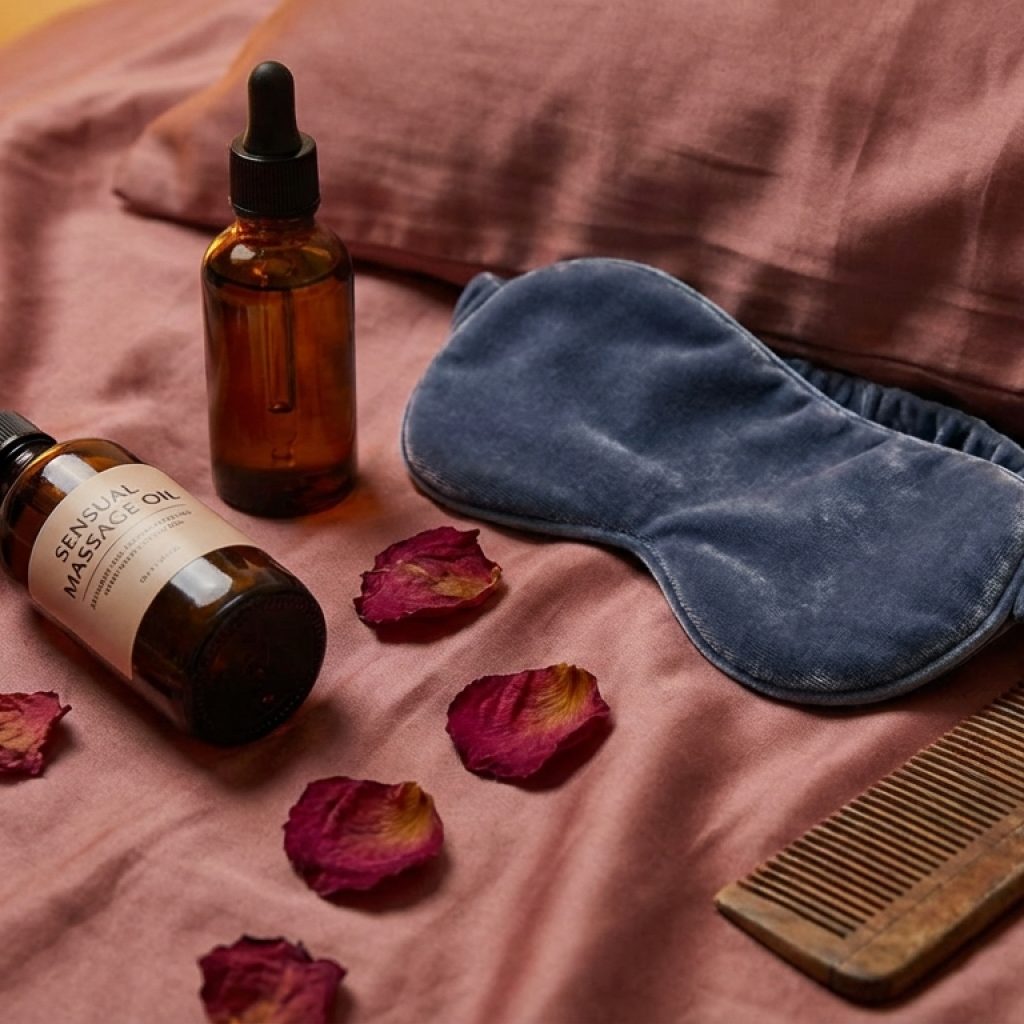
Touch is the primary language of intimacy. However, in long-term relationships, touch often becomes utilitarian or strictly a signal for sex. Reclaiming touch for its own sake is powerful. Try engaging in a “sensual focus” exercise where the goal is simply to explore textures and sensations without the expectation of arousal.
To elevate this experience, focus on the environment. Lighting, temperature, and scent play crucial roles. Incorporating elements like the Love Heart Rose Scented Soap Bar into a pre-massage ritual can engage the olfactory senses, which are directly linked to the brain’s emotional centers. Using scent bridges the gap between daily stress and relaxation.
Visual and Restrictive Play
Sometimes, limiting one sense can heighten the others. If you find it difficult to get “out of your head,” focusing entirely on physical sensation can help. Light sensory deprivation, such as using a blindfold, forces the brain to focus on the immediate tactile experience of a partner’s touch.
For those curious about exploring trust dynamics, simple tools can change the context of a touch. Using items like Bondage Tape Pink Gloss allows for light, safe restraint play. This isn’t necessarily about “kink” in the extreme sense, but about surrendering control and allowing oneself to simply receive pleasure without the responsibility of reciprocating immediately. It shifts the dynamic from “doing” to “being.”
Shared Baths and Hydrotherapy
Water has a unique way of equalizing bodies and washing away the day’s armor. Sharing a bath or shower is an intimate act that requires vulnerability but offers immense relaxation. The focus here is on washing each other, the sensation of warm water on skin, and the physical closeness that water supports. It is a “zero-demand” zone where intimacy can flourish without the logistics of intercourse.
Inclusivity and Accessibility in Intimacy
Redefining intimacy is not just about variety; it is an accessibility necessity. Bodies change. As of 2026, research continues to highlight that conditions such as menopause, erectile dysfunction, chronic pain, or mobility limitations are common parts of the human experience.
Adhering to a penetration-centric model of sex can make intimacy painful or impossible for many. Outer course democratizes pleasure. It allows couples to navigate flare-ups of chronic pain or hormonal shifts without sacrificing connection. By validating oral sex, manual stimulation, and mutual masturbation as “real sex,” we create a relationship model that is sustainable through all of life’s seasons.
Non-Sexual Intimacy: The Foundation
Physical arousal does not happen in a vacuum. It is built on a foundation of emotional safety. Non-sexual intimacy—holding hands, active listening, acts of service, or even playful silliness—primes the brain for connection.
Never underestimate the power of playfulness. Laughter releases oxytocin, the “bonding hormone.” Introducing lighthearted elements, perhaps wearing something unexpected and fun like Sexy Socks Bunny Style during a cozy evening, signals to your partner that you are relaxed and open to connection. It breaks the tension and reminds us that intimacy should be joyful, not a serious chore.
Conclusion
Redefining intimacy is a journey of unlearning old scripts and writing new ones that serve your unique relationship. By embracing Outer Course and valuing connection over performance, you build a love life that is resilient, inclusive, and deeply satisfying.
**Call to Action:** This week, we challenge you to choose one activity from the “Outer Course” menu. Whether it is a shared bath or a sensual massage, commit to an evening where penetration is off the table, and see what new connections arise.
What is the difference between foreplay and outer course?
How do I suggest non-penetrative sex without hurting my partner’s feelings?

Recommended Product
Love Heart Rose Scented Soap Bar
This product perfectly complements the “Shared Baths and Showers” section by enhancing the sensory experience through aromatherapy and touch.

About author