
Pleasure Mapping: A User’s Guide to Your Own Body
- Pleasure mapping is a somatic practice that involves systematically exploring your body to identify unique erogenous zones beyond the genitals.
- Shifting the focus from “orgasm” to “sensation” reduces performance anxiety and increases overall sexual satisfaction.
- Setting a safe, distraction-free container is essential for the nervous system to relax enough to perceive subtle sensory inputs.
- Varying pressure, speed, and temperature can transform neutral areas of the body into sources of intense pleasure.
- Integrating solo discoveries into partnered play requires clear, non-judgmental communication and vulnerability.
- Regular pleasure mapping fosters body autonomy and neuroplasticity, potentially expanding your sexual repertoire over time.
Reclaiming Your Terrain: What is Pleasure Mapping?
At Twit2woo, we believe that becoming the world’s leading expert on your own body is the most profound investment you can make in your sexual wellbeing. Pleasure mapping is essentially a cartography of the self—a structured, mindfulness-based practice where you explore every inch of your body to discover what feels good, what feels neutral, and what might even feel uncomfortable. Unlike traditional masturbation, which often has a specific destination (orgasm), pleasure mapping is entirely about the journey. It is a form of somatic education that invites you to slow down and listen to the subtle signals your nervous system sends, signals that are often drowned out by the noise of daily life or the pressure to perform sexually.
As of February 2026, the conversation around sexual wellness has shifted significantly toward somatic awareness. We are moving away from script-based sex—doing X to get Y result—and toward an intuitive understanding of our own anatomy. Pleasure mapping is the foundational tool for this shift. It allows you to identify “erogenous zones” that are unique to you, which may exist in places you never considered, such as the nape of the neck, the hollow of the knee, or the inner wrist. By identifying these zones, you expand your “sexual menu,” giving you and potential partners more options for intimacy than just genital stimulation.
This practice is grounded in the concept of interoception—your brain’s ability to perceive sensations from inside your body. According to Harvard Health Publishing, mindfulness practices that focus on bodily sensation can actually alter brain structure and improve emotional regulation. Applying this to sexuality means that by paying close attention to touch, you are literally training your brain to be more receptive to pleasure, potentially rewiring neural pathways to overcome numbness or dissociation.
The Mindset: Sensation Over Climax

The single biggest barrier to sexual satisfaction for many adults is the “spectator role”—watching oneself during sex and judging performance—rather than being fully embodied. To practice pleasure mapping effectively, one must adopt a mindset of radical curiosity. This means removing the goal of orgasm entirely. In fact, for the purpose of this exercise, we often recommend taking orgasm off the table completely. When the pressure to climax is removed, the nervous system shifts from a sympathetic state (fight, flight, or striving) to a parasympathetic state (rest, digest, and receive). It is only in this relaxed state that subtle sensations can be truly felt and appreciated.
Think of this as a scientific experiment where you are both the researcher and the subject. Your goal is not to force a reaction but to observe what is already there. If you touch your elbow and feel nothing, that is data. If you graze your earlobe and feel a shiver, that is data. There is no “right” way to feel. This approach borrows heavily from “Sensate Focus,” a technique developed by Masters and Johnson and widely used by sex therapists today. The goal is to simply perceive the texture, temperature, and pressure of touch without immediately trying to interpret it as “sexual.”
By focusing on the “micro-sensation”—the specific feeling of skin against skin, or fabric against skin—you ground yourself in the present moment. This mindfulness creates a feedback loop; the more you pay attention to a sensation, the more intense and nuanced it becomes. This is how many people discover that they are capable of full-body pleasure responses that do not rely solely on genital stimulation. It is about expanding your capacity to feel, rather than just narrowing your focus to a release.
Preparation: Creating the Container
To map your pleasure effectively, you must first create a “container”—a physical and temporal space where you feel completely safe and unobserved. The nervous system cannot prioritize pleasure if it is scanning for threats or interruptions. Start by ensuring you have at least 30 to 45 minutes of uninterrupted privacy. Turn off your phone, close the door, and perhaps lock it if that adds a layer of psychological safety. The environment should be warm; shivering induces tension, which is the enemy of sensitivity. Soft lighting, perhaps from candles or dimmable lamps, can help shift your brain out of “work mode.”
Comfort is paramount. You might choose to lie on a soft rug, your bed, or a yoga mat with plenty of pillows. Have a “Pleasure Journal” and a pen nearby to record your findings immediately after the session (not during, as writing breaks the flow). You will also want to gather your “tools.” While your hands are the primary instruments, introducing different textures and temperatures is crucial for advanced mapping.
Consider having a glass of water nearby to stay hydrated, and perhaps some non-lyrical music playing softly to drown out background noise. The goal is to create a sensory deprivation bubble where the only thing that matters is the tactile input you are providing to your body. This preparation ritual signals to your brain that you are entering a sacred space of self-care, distinct from the mundane activities of the rest of your day.
The “How-To” Guide: A Step-by-Step Walkthrough
Step 1: The Non-Genital Beginning
Begin by breathing deeply. Once you feel settled, start exploring areas of your body that you rarely associate with sex. This might be your scalp, your face, the palms of your hands, or the soles of your feet. Use your fingertips to trace light circles. Notice the difference in sensitivity between the back of your hand and the palm. Move to the inner thighs, the stomach, or the sensitive skin of the underarm. The goal here is to desexualize the touch initially so you can re-sexualize it on your own terms later. If your mind wanders to your to-do list, gently bring your attention back to the physical sensation of your skin.
Step 2: Experimenting with Variables
Touch is not a monolith; it consists of various dimensions. As you explore an area, consciously vary the **pressure**. Does a firm, grounding squeeze on your shoulder feel better than a light, feathery tickle? Next, play with **speed**. We often rush touch, but slowing down to a glacial pace can overstimulate the nerve endings in a delightful way. Finally, experiment with **rhythm**. Does a chaotic, unpredictable tapping feel exciting, or does a steady, rhythmic stroke feel more soothing?
Step 3: Texture and Temperature Play
This is where you can introduce tools to heighten the experience. Our team at Twit2woo recommends using different materials to see how your skin reacts.
- Soft: A silk scarf, a velvet cushion, or a makeup brush.
- Sharp/Scratchy: Lightly running fingernails or a clean hairbrush bristles over the back.
- Slick: Using a high-quality lubricant to change the friction.
Temperature is a powerful variable. You might try using an ice cube wrapped in a cloth to trace lines down your neck, or warm oil for your lower back. For a more controlled temperature experience, we recommend incorporating specialized products. For example, the Fleshlube Fire Warming Lubricant can introduce a gentle, radiating heat that increases blood flow and sensitivity to specific areas. Conversely, playing with the Fleshlube Ice Cooling Lubricant can create a thrilling, tingling sensation that wakes up dormant nerve endings. If you prefer a neutral, friction-free base to simply explore the glide of your hands, the Fleshlight Waterbased Fleshlube provides a pure, silky texture that doesn’t get sticky, allowing for prolonged exploration without distraction.
Integration: Communicating Your Map
Once you have completed your map and identified your new “hotspots” (perhaps the back of your knee or the side of your ribs), the next step is integration. How do you bring this into a partnered dynamic? Communication is key. It can be vulnerable to say, “I discovered I really like having my ears massaged,” but this vulnerability is the gateway to deeper intimacy. You don’t have to present a formal report; instead, guide your partner’s hands during intimacy.
Use positive reinforcement. When a partner touches a zone you’ve identified, let them know with sound or movement. You might also suggest a “mapping date” where you take turns exploring each other’s bodies using the same variables—pressure, speed, and temperature—that you used solo. This not only spices up your sex life but builds a shared language of pleasure. According to the Mayo Clinic, open communication about changing sexual needs and preferences is vital for maintaining a healthy sexual relationship long-term. Sharing your pleasure map is a practical way to facilitate that ongoing dialogue.
Conclusion: The Power of Body Autonomy
Pleasure mapping is ultimately an exercise in body autonomy. It reinforces the truth that your pleasure belongs to you. It is not something a partner “gives” you; it is a landscape you inhabit. By taking the time to understand the nuances of your own nervous system, you become less dependent on external validation and more grounded in your own experience.
We encourage you to view this not as a one-time assignment, but as an ongoing practice. Your body changes—hormonally, physically, and emotionally—and so will your map. Keep exploring, keep journaling, and remember that every sensation you discover is a celebration of your own aliveness.
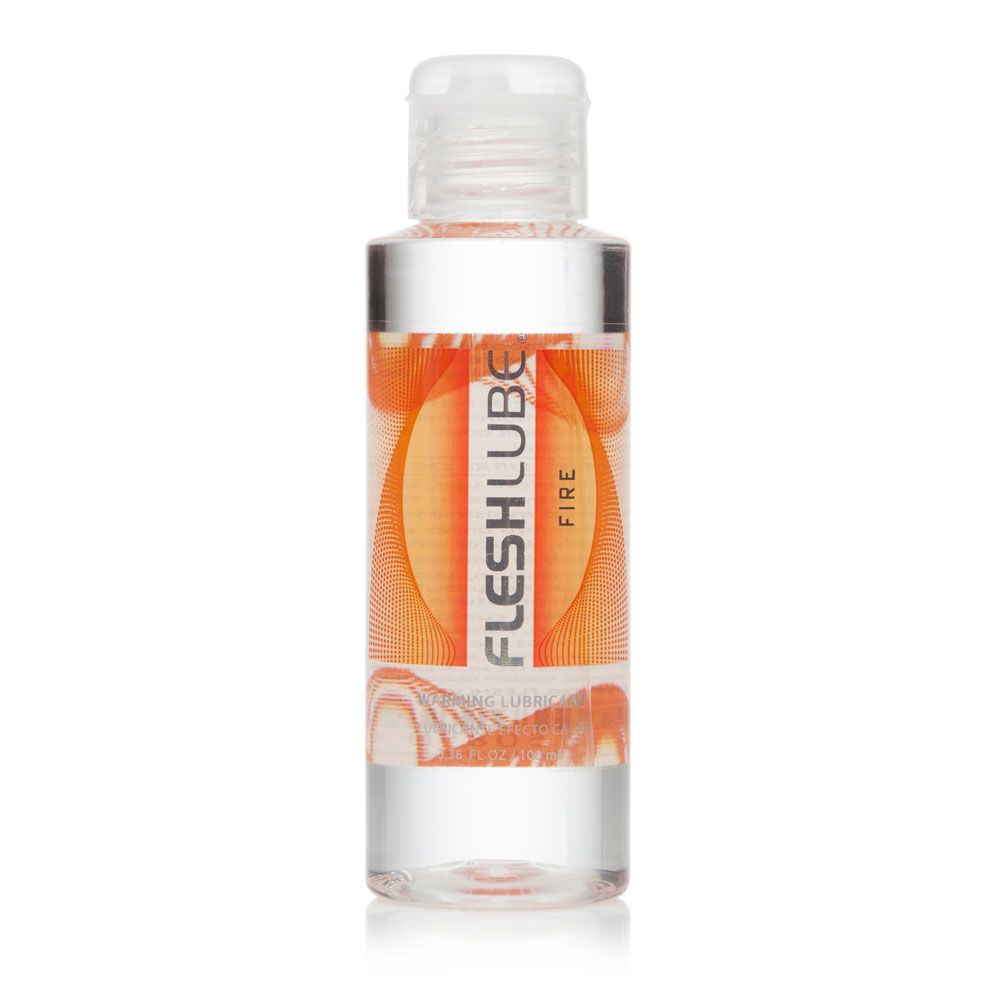
Fleshlube Fire Warming Lubricant 100ml
This warming lubricant is an ideal tool for the temperature variation step of pleasure mapping, helping users explore heat sensation on the skin.

About author